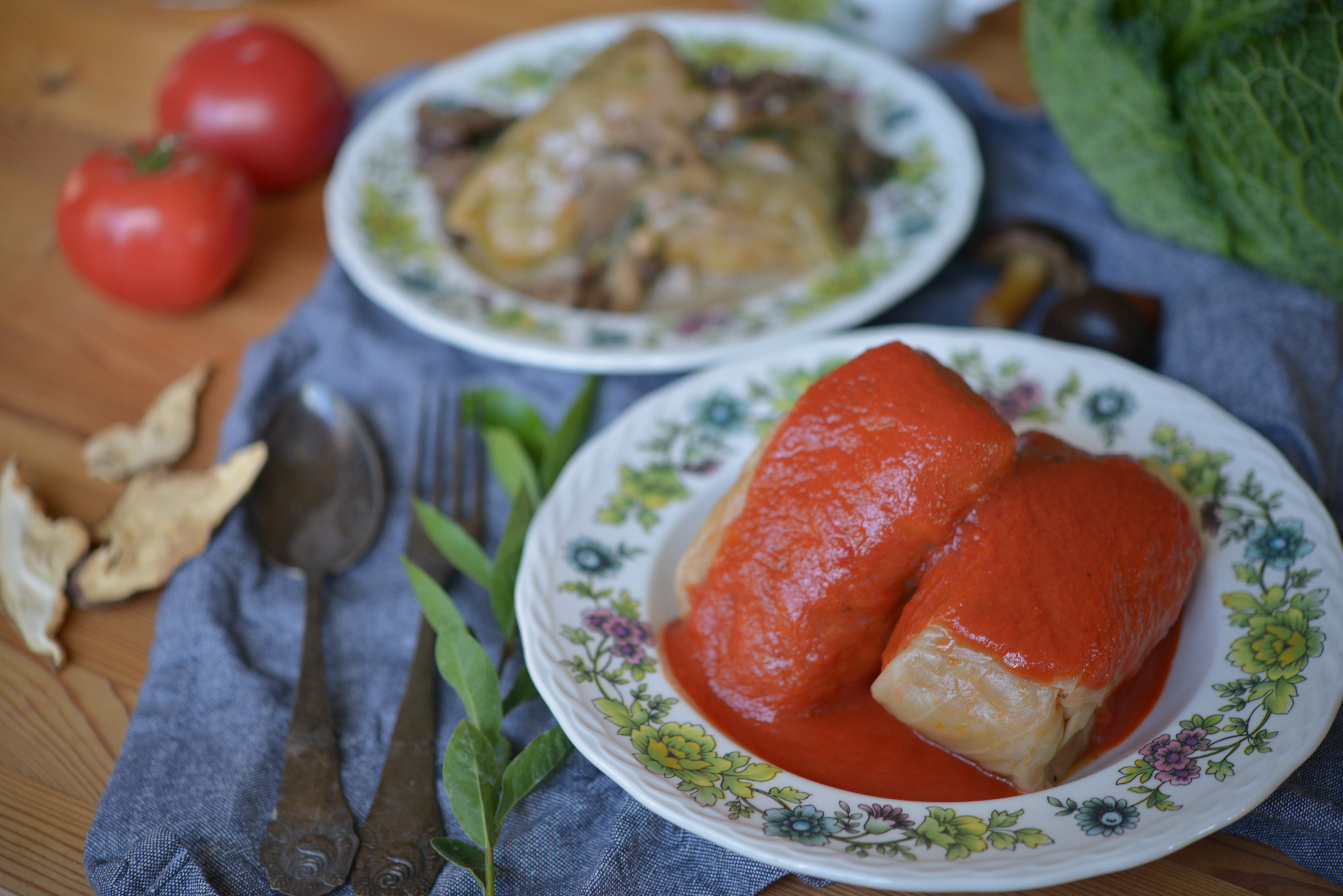
Polish Cabbage Rolls: A Hearty Embrace of Tradition and Flavor
Few dishes encapsulate the warmth and heritage of Polish cuisine quite like
polish cabbage rolls. Known affectionately as Golabki (or Gołąbki in its proper spelling) in Poland and often as Halupki in various diasporas, these tender parcels of flavor are more than just food; they are a cherished emblem of family, comfort, and celebration. Picture perfectly blanched cabbage leaves wrapped around a succulent filling of seasoned meat and rice, all slow-cooked to perfection in a rich, savory sauce. It's a culinary journey that takes you straight to the heart of a Polish home, a dish steeped in history and beloved by generations.
From bustling Sunday dinners to festive holiday gatherings, Golabki stands as a testament to hearty, home-cooked goodness. While the core concept remains consistent – stuffed cabbage simmered in sauce – the nuances in filling and, most notably, the sauce, offer a delightful spectrum of flavors. This article will delve into the essence of these iconic
polish cabbage rolls, exploring their traditional preparation, the art of crafting the perfect filling, and the diverse sauce variations that make each bite a unique experience.
The Heart of the Matter: Unpacking the Traditional Polish Cabbage Rolls Filling
The soul of any Golabki lies in its robust filling. Traditionally, this involves a carefully balanced mixture that provides both substance and flavor. The most common iteration features ground pork, white rice, finely chopped onions, and a medley of spices. Each ingredient plays a crucial role in creating that signature taste and texture.
- Pork: The Flavor Foundation
Ground pork is the traditional cornerstone, lending a rich, juicy, and deeply savory flavor that truly defines authentic polish cabbage rolls. Its fat content helps keep the filling moist and flavorful as it slow cooks. However, the beauty of Golabki lies in its adaptability. Many families substitute or combine pork with other meats. For a heartier profile, ground beef or a combination of pork and beef is a popular choice. For those seeking a lighter alternative without sacrificing flavor, ground turkey or veal can be excellent substitutions, offering a slightly different, yet equally delicious, experience.
- Rice: The Binder and Balancer
White rice is traditionally used, serving multiple purposes beyond just adding bulk. It absorbs the cooking juices, ensuring the filling remains tender and moist, and acts as a binder, helping the meat mixture hold its shape within the cabbage leaf. While white rice is classic, adventurous cooks might experiment with brown rice for a nuttier flavor and added fiber. Keep in mind that brown rice requires a longer cooking time, which should be factored into your preparation.
- Onions and Garlic: Aromatic Depth
Sautéed onions, often softened in butter until lightly golden, are essential for imparting a natural sweetness and savory depth to the filling. Fresh garlic, added in the final moments of sautéing, amplifies this aromatic complexity, balancing the richness of the meat and complementing the eventual tomato sauce.
- Spices: The Personal Touch
While salt and black pepper are non-negotiable, families often add their own secret blend of spices. Paprika, marjoram, and a touch of allspice are common additions that elevate the flavor profile, creating a truly unique homemade taste.
Mastering the Wrap: Cabbage Selection and Preparation for Perfect Golabki
The canvas for your culinary masterpiece is the humble cabbage leaf. The key to truly tender
polish cabbage rolls lies in choosing and preparing the right cabbage.
The ideal choice is
young summer cabbage or Italian cabbage. These varieties naturally possess softer, more pliable leaves, making them significantly easier to handle, separate, and wrap without tearing. Once cooked, their tenderness allows them to beautifully absorb the rich flavors of the sauce.
Preparing the cabbage involves a few crucial steps:
- Coring: Carefully remove the tough core from the base of the cabbage head. This helps the leaves separate more easily.
- Boiling: Submerge the whole cored cabbage head in a large pot of salted boiling water. Cook for about 15-20 minutes, flipping occasionally to ensure even softening. The goal is for the leaves to become pliable enough to peel off without breaking. If your cabbage is particularly tough, a slightly longer boil might be necessary.
- Separating and Trimming: Once sufficiently softened and cool enough to handle, gently peel off each leaf. With a small paring knife, carefully trim away the thick, tough center rib from each leaf. This ensures the rolls are easy to fold and uniform in texture. Don't discard the smaller, less ideal leaves; they can be used to line the bottom of your baking dish, preventing the rolls from sticking and adding an extra layer of flavor.
For those who struggle with boiling, some home cooks advocate freezing a whole cabbage head overnight. As it thaws, the ice crystals break down the cell walls, resulting in incredibly tender, easy-to-wrap leaves.
A Symphony of Flavor: Exploring Golabki Sauce Variations
While the filling is the heart, the sauce is undoubtedly the soul of
polish cabbage rolls. It's the flavorful liquid that infuses the cabbage and filling with its characteristic tang and richness. The beauty of Golabki lies in its sauce variations, which can range from thick and robust to light and tangy, often reflecting regional preferences or family traditions.
The most recognized sauce is a
savory tomato-based concoction. This often starts with a base of tomato paste, which offers concentrated tomato flavor, and chicken broth, providing a rich, savory foundation. This combination is typically thickened slightly, perhaps with a roux or simply through reduction, to achieve a luxurious, coating consistency. Many traditional recipes, particularly for oven-baked Golabki, might feature a chunky tomato sauce, often enhanced with sautéed bacon and onions for an extra layer of smoky depth. This style of sauce bakes into the rolls, creating a deeply integrated flavor profile.
However, as highlighted by culinary insights from the Carpathian Mountains, there’s a delightful alternative: a
lighter, smoother, and tangier stovetop sauce. Instead of a thick, chunky bake-in sauce, this version might involve simmering the cabbage rolls in a light, savory broth. Before serving, a separate, smooth tomato sauce, often with a brighter acidity, is prepared and poured over the cooked rolls. This offers a different textural experience and allows the fresh, vibrant tomato notes to shine through.
Beyond these primary variations, other regional and family-specific sauces exist:
- Mushroom Sauce: In areas where mushrooms are abundant, particularly wild forest mushrooms, a creamy mushroom sauce can replace or complement the tomato, offering an earthy, umami-rich experience.
- Sour Cream (Zabielane): Some recipes, especially those from older traditions or certain regions, might incorporate sour cream into the tomato sauce or even serve sour cream alongside the Golabki, adding a creamy tang that beautifully cuts through the richness of the dish.
- Dill Sauce: Less common but equally delicious, a light dill sauce can be found in some variations, particularly in spring or early summer, lending a fresh, herbaceous note.
The choice of sauce fundamentally alters the character of your
polish cabbage rolls. Experiment with different ratios of tomato paste to broth, seasonings, and thickening agents to find your perfect balance. For a deeper dive into crafting the perfect rolls and sauces, explore our article on
Mastering Golabki: Your Guide to Authentic Polish Cabbage Rolls.
Step-by-Step Towards Perfection: Crafting Your Own Polish Cabbage Rolls
Bringing Golabki to life in your own kitchen is a rewarding process, combining simple ingredients with thoughtful technique.
- Cook the Rice: Begin by cooking your chosen rice in salted water until tender. It's crucial to let it cool completely before mixing with the raw meat; this prevents the meat from prematurely cooking.
- Prepare the Cabbage: Follow the steps outlined above to core, boil, separate, and trim your cabbage leaves. Line the bottom of your heavy-bottomed pot or baking dish with any smaller, torn, or leftover cabbage pieces.
- Make the Filling: Sauté finely chopped onions in butter until translucent and lightly golden. Stir in minced garlic for the last minute. In a large bowl, combine the cooled rice, raw ground pork (or your preferred meat), the sautéed onion and garlic mixture, and your chosen seasonings (salt, pepper, paprika, marjoram). Mix thoroughly by hand until well combined but avoid overmixing.
- Assemble the Rolls: Lay a prepared cabbage leaf flat. Place a generous spoonful (about 2-3 tablespoons, depending on leaf size) of filling near the base of the leaf. Fold in the sides of the leaf over the filling, then roll it up snugly from the bottom towards the top, creating a neat, compact cylinder. The goal is a firm roll that won't unravel during cooking. Arrange the rolls seam-side down in your prepared pot or baking dish, packing them gently to prevent them from moving too much.
- Prepare and Add the Sauce: Whisk together your chosen sauce ingredients – typically tomato paste, chicken broth, and seasonings. Pour the sauce evenly over the arranged cabbage rolls. Ensure the liquid mostly covers the rolls; if not, add a little more broth or water.
- Cook to Perfection:
- Baked Golabki: Cover the baking dish tightly with foil and bake in a preheated oven (e.g., 350°F / 175°C) for 1.5 to 2.5 hours, or until the cabbage is incredibly tender and the filling is cooked through. The longer, slower bake allows the flavors to meld beautifully.
- Stovetop Golabki: Bring the sauce to a gentle simmer, then reduce heat to low. Cover the pot tightly and let it simmer for 1.5 to 2 hours, checking occasionally to ensure there's enough liquid. The stovetop method often results in a slightly softer cabbage and a consistently moist filling.
Allow the rolls to rest for a few minutes before serving. And for more insider knowledge on achieving tender, flavorful results every time, check out
Golabki Secrets: Crafting Tender Polish Cabbage Rolls for Family Meals.
A Timeless Classic for Your Table
Polish cabbage rolls, whether you call them Golabki or Halupki, are a testament to the enduring appeal of traditional comfort food. They are a dish that speaks of heritage, warmth, and the simple joy of sharing a lovingly prepared meal. With their tender cabbage leaves, savory filling, and rich, adaptable sauces, these rolls offer a versatile culinary experience that can be tailored to any taste. Don't be intimidated by the process; embrace the tradition, experiment with variations, and discover the heartfelt satisfaction of creating your own authentic Golabki. They are truly a must-try for anyone who appreciates wholesome, home-cooked flavors that tell a story with every bite.